
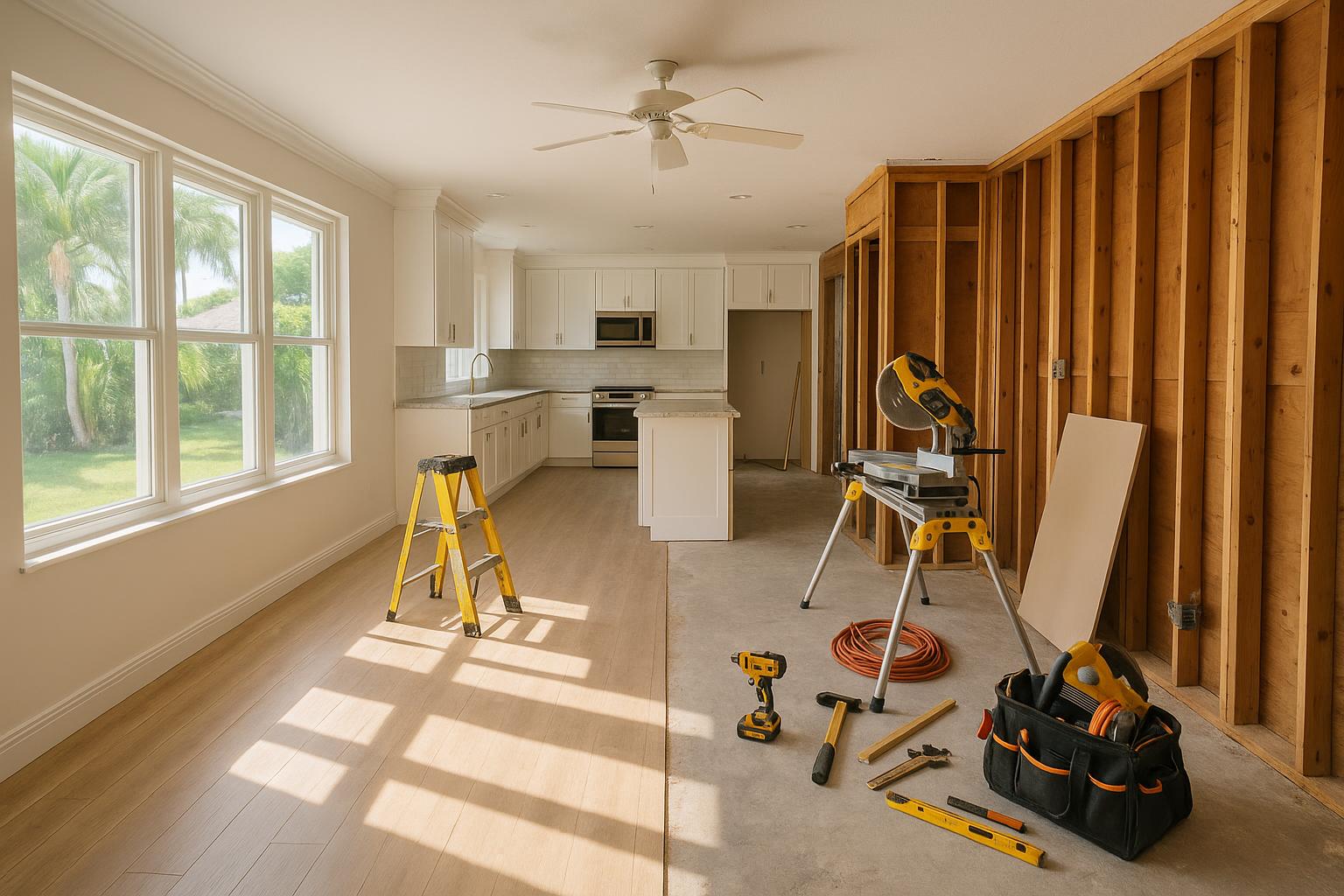
The Dream Is Big — Your Plan Should Be Bigger
You've been thinking about it for months, maybe years. The outdated popcorn ceilings, the kitchen that hasn't changed since the '90s, the bathrooms that feel cramped and tired. You're ready to transform your entire home — but where do you even start?
A whole-home interior remodel is one of the most rewarding investments you can make, especially in a community like Margate where many homes were built decades ago and are overdue for a refresh. But without a solid plan, what should be an exciting transformation can quickly become a stressful, budget-busting ordeal.
We've guided hundreds of homeowners through full interior renovations, and we've learned that the difference between a smooth remodel and a chaotic one almost always comes down to planning. Here's how to do it right.
Step 1: Define Your Priorities Before You Pick a Single Tile
When you're remodeling every room, it's tempting to dive straight into Pinterest boards and showroom visits. But the most important first step is asking yourself some honest questions:
- What bothers you most about your current home? Identify the pain points — poor layout, lack of storage, outdated finishes, dark rooms — and rank them.
- How long do you plan to stay? If this is your forever home in Margate, invest in exactly what you want. If you might sell in five to seven years, balance personal taste with resale value.
- What's your realistic budget? Not your dream budget — your actual, honest number. We'll talk more about this below.
Writing down your priorities prevents scope creep later. When you're standing in a tile showroom debating between the $4 and $12 option, knowing your priorities helps you decide where to splurge and where to save.
Step 2: Set a Budget — Then Add a Cushion
Here's the rule experienced remodelers live by: take your budget and add 15-20% as a contingency. This isn't pessimism — it's reality. Older homes in South Florida often reveal surprises behind walls, like outdated wiring, water damage, or plumbing that doesn't meet current code.
A smart budget breakdown for a whole-home remodel typically looks like this:
- Kitchen: 30-35% of total budget (it's the most complex room)
- Bathrooms: 20-25%
- Flooring: 10-15%
- Painting and finishes: 10%
- Closets and storage: 5-10%
- Contingency: 15-20%
These percentages shift based on your priorities, but they give you a framework. The key is making budget decisions before demolition day, not during.
Step 3: Choose One Contractor — Not Five
One of the biggest mistakes homeowners make is hiring separate contractors for each part of the project. One crew for the kitchen, another for the bathrooms, a painter, a flooring installer — it sounds logical, but it creates scheduling nightmares.
When you work with a single remodeling company that handles everything from kitchen cabinetry to flooring installation to interior painting, you get:
- One point of contact instead of juggling five phone numbers
- Coordinated scheduling so trades aren't tripping over each other
- Consistent quality across every room
- Accountability — if something goes wrong, there's no finger-pointing between crews
This is especially important for whole-home projects where the sequence of work matters. You don't want your new floors installed before the plumber finishes rough-in work upstairs.
Step 4: Plan the Sequence Strategically
A whole-home remodel doesn't happen all at once — it happens in phases. The typical sequence looks like this:
- Demolition and structural work: Remove what's going and address any structural, electrical, or plumbing issues.
- Rough-in work: New electrical, plumbing, and HVAC modifications happen behind the walls before anything pretty goes up.
- Kitchen and bathroom construction: Cabinets, countertops, tile, fixtures — the heavy lifting.
- Flooring installation: Once the messy work is done, new floors go in throughout the home.
- Interior painting: Walls, ceilings, trim — this is where the transformation really becomes visible.
- Final details: Hardware, lighting fixtures, closet systems, touch-ups.
Understanding this sequence also helps you plan your living situation. Many Margate homeowners choose to live in their home during the remodel by having work completed in zones — finishing one section of the house before moving to the next.
Step 5: Make Design Decisions Early and All at Once
This is where projects stall. Your contractor is ready to order cabinets, but you haven't picked a style. The tile installer is scheduled for next week, but you're still debating between subway and herringbone.
Before construction begins, finalize:
- Cabinet styles, colors, and hardware
- Countertop materials
- Tile selections for every bathroom and the kitchen backsplash
- Flooring type and color
- Paint colors for every room
- Fixture finishes — brushed nickel, matte black, brass — and keep them consistent
A good remodeling partner will help you coordinate these selections so everything flows together. This is especially important in a whole-home project where you can see from the kitchen into the living room into the hallway. Disjointed design choices become obvious in an open floor plan.
Step 6: Communicate Relentlessly
The best remodeling experiences share one trait: clear, frequent communication. Before you sign a contract, ask your contractor:
- How often will we get progress updates?
- Who is my main point of contact?
- How do we handle change orders?
- What's the projected timeline, and what could cause delays?
You should never feel like you're in the dark about what's happening in your own home. Weekly check-ins, photo updates, and a clear process for approving any changes keep everyone aligned.
Step 7: Think About Life After the Remodel
Here's something most planning guides skip: think about maintenance. South Florida's humidity, salt air, and intense sunlight affect interior materials differently than in other parts of the country. When choosing finishes, consider:
- Moisture-resistant materials for bathrooms and kitchens — porcelain tile, quartz countertops, and quality paint with mildew resistance
- Durable flooring that handles humidity fluctuations — luxury vinyl plank and porcelain tile are popular in Margate for good reason
- Quality cabinetry with proper sealing to prevent warping in humid conditions
Choosing the right materials upfront means your remodel looks beautiful for years, not just months.
Your Home Deserves a Thoughtful Transformation
A whole-home interior remodel is a big commitment, but it doesn't have to be overwhelming. With clear priorities, a realistic budget, the right remodeling partner, and decisions made early, you can transform every room in your home without the chaos.
At Lumina Interior Remodeling, we specialize in guiding Margate homeowners through exactly this process — from the first conversation about priorities to the final walkthrough of your finished home. If you're considering a whole-home renovation, we'd love to help you plan it the right way.